Lekhan Kala
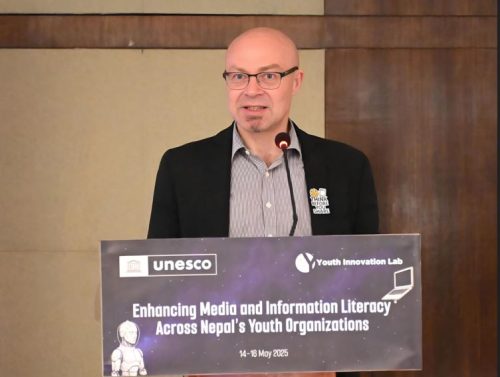
Kathmandu, June 2026 — UNESCO has increased its efforts to strengthen Media and Information Literacy (MIL) in Nepal. The organization supports youth, educators, local governments, media organizations, and digital content creators in developing critical thinking skills and encouraging responsible digital engagement.
According to UNESCO, Media and Information Literacy enables individuals to access, evaluate, create, and share information responsibly. It also addresses challenges such as misinformation, hate speech, online harassment, and digital threats.
A major milestone was the endorsement of the Media and Information Literacy Enhancement Operational Procedure, 2082, by Nepal’s National Youth Council. This framework is expected to help youth organizations nationwide integrate media literacy into their programs and outreach.
UNESCO has also collaborated with municipalities and education stakeholders to include media and information literacy in local education planning. Eight municipalities have already integrated MIL into their Local Education Plans, and educators and officials have received training in digital literacy, critical thinking, and online safety.
To engage young people directly, UNESCO supported the Youth Media Champions initiative, selecting representatives from all seven provinces to promote fact-checking, responsible content creation, and digital citizenship in their communities. More than 20 youth-led organizations have participated in programs to strengthen media literacy and address misinformation.
UNESCO officials state that as digital technologies, social media platforms, and artificial intelligence reshape the information landscape, media and information literacy is now essential for democratic participation, freedom of expression, and informed decision-making.
This initiative demonstrates Nepal’s commitment to building a more informed, resilient, and digitally responsible society, especially among young people who are shaping the country’s digital future.