Lekhan Kala
Kathmandu, Nepal – A key proposal in Nepal’s School Education Bill has sparked nationwide debate over teacher management and the quality of education in community schools.
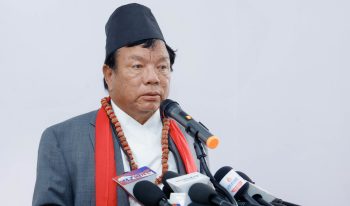
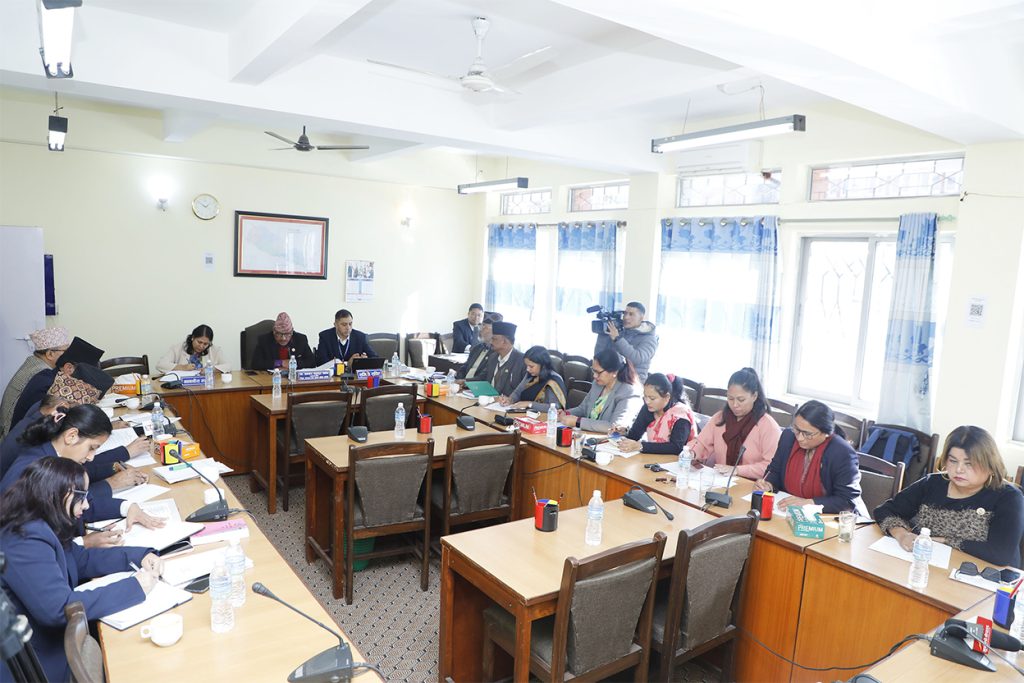
During committee discussions, Chair Amar Bahadur Thapa proposed a major restructuring of the teaching workforce. The plan calls for the dignified retirement of long-serving temporary teachers and competency-based evaluations for permanent teachers.
This recommendation comes as lawmakers work to finalize the School Education Bill, a closely watched piece of legislation. Over 1,700 amendment proposals have been submitted, reflecting diverse concerns and expectations for education reform.
Focus on Quality Education
The proposal states that improving the quality of education should be the primary goal of any reform. Thapa noted that many teachers have held temporary positions for decades without a permanent solution to their employment status.
The proposal offers dignified retirement options and benefits for temporary teachers. Permanent teachers would face practical evaluations to assess competence and classroom effectiveness. Those who do not meet the standards may be encouraged to retire or reassigned, as permitted by law.
The proposal has received mixed reactions. Supporters believe regular performance assessments are needed to improve learning outcomes and ensure accountability. Critics are concerned about job security and the rights of long-serving teachers.
Temporary Teachers Remain a Key Issue
Managing temporary, relief, and contract teachers has been a longstanding challenge in Nepal’s education sector. Successive governments have tried to address this through internal competitions, examinations, and voluntary retirement schemes.
Recent parliamentary discussions have focused on allowing temporary teachers to compete for permanent positions through internal examinations. Some proposals suggest reserving a significant portion of positions for experienced temporary teachers, with the rest filled through open competition.
Teacher organizations have repeatedly argued that long-serving temporary teachers deserve a fair pathway to permanent employment. Reform advocates emphasize the need for merit-based recruitment and professional standards.
Lawmakers support stronger authority for local governments in line with constitutional provisions, while others advocate greater involvement from provincial or federal authorities to ensure consistency and accountability across the country.
This issue is increasingly important as local governments expand their roles in educational administration, school management, and resource allocation.
Government Plans Further Review
Education officials recognize the need for evidence-based reforms. The Ministry of Education has formed expert task forces to study teacher distribution, student-teacher ratios, and workforce planning. These studies will guide future decisions on recruitment, deployment, and professional development.
Education experts argue that any reform should balance teacher welfare with student learning outcomes. Many beliEducation experts argue that reforms should balance teacher welfare with student learning outcomes.
Many believe that better teacher training, stronger professional development, performance evaluations, and transparent recruitment are essential for long-term improvement.
One of the most sensitive and closely watched issues. The final legislation is expected to influence the careers of tens of thousands of teachers and shape the future direction of Nepal’s school education system.
Despite differing opinions on the proposals, there is broad agreement that Nepal’s education sector needs meaningful reform to address challenges in quality, governance, accountability, and workforce management.
In the coming months, policymakers will need to balance protecting teachers’ rights with ensuring every student receives a high-quality education.