


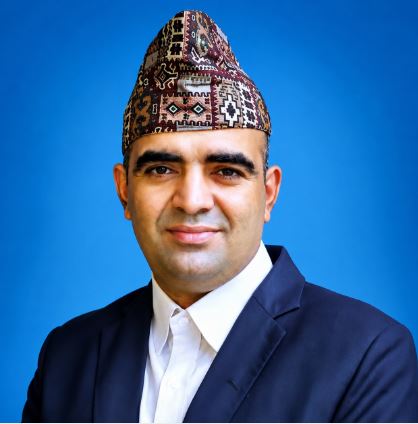
 Dhruba Prasad Ghimire
Introduction
Drug-Free Schools Nepal (DFSN) is a comprehensive school-based initiative that protects children and adolescents from drug use and other harmful behaviors, while promoting their safety, well-being, and development.
DFSN unites students, teachers, parents, school leaders, health professionals, local governments, law enforcement, community organizations, and experts. It promotes evidence-based prevention through education, life skills development, positive parenting, early identification, supportive school policies, and community collaboration.
DFSN moves beyond fear-based, punitive, or information-only approaches by addressing the personal, social, family, and environmental factors influencing young people’s choices. It supports schools in creating safe, inclusive, and nurturing environments where students build confidence, resilience, healthy relationships, critical thinking, and responsible decision-making skills.
The initiative will be piloted in Budhanilkantha Municipality and developed as a model for adaptation and expansion in schools across Nepal.
Vision
A Nepal where every child learns and grows in a safe, healthy, and drug-free school environment, empowered to make informed and responsible choices for life.
Mission
To establish a coordinated, evidence-based, child-centered drug prevention system in Nepal’s schools by strengthening students’ life skills, supporting teachers and parents, developing protective school environments, providing early assistance, and fostering sustainable cooperation among schools, families, government agencies, health professionals, and communities.
Overall Goal
To prevent and delay drug use initiation among students, while promoting their physical health, mental well-being, resilience, academic engagement, and positive development.
Specific Goals
1. Establish safe, supportive, inclusive, and drug-free learning environments that protect and empower students.
2. Equip students with knowledge and practical life skills to make healthy decisions, resist negative social pressures, and safeguard their well-being.
3. Strengthen teachers’ ability to deliver age-appropriate prevention education and respond effectively to at-risk students, covering topics such as child development, positive parenting, mental health, digital risks, and substance-use prevention.
4. Implement consistent, child-sensitive school policies and referral procedures related to drugs and student well-being.
5. Promote meaningful student participation and peer leadership in encouraging healthy behavior.
6. Enhance coordination among schools, families, municipalities, health services, law enforcement, and community organizations.
7. Generate evidence to inform the development of effective school drug prevention policies and curricula in Nepal.
Objectives
DFSN aims to achieve the following:
* Develop an age-appropriate and culturally relevant drug-prevention curriculum for school students.
* Integrate social and emotional learning, communication, critical thinking, problem-solving, stress management, refusal skills, and healthy decision-making into prevention education.
* Train teachers, school leaders, counselors, health personnel, and community facilitators in evidence-based prevention.
* Establish school-level prevention committees or focal persons to coordinate activities and respond to concerns.
* Develop clear school policies that prioritize prevention, safeguarding, confidentiality, early support, and appropriate referral over stigma and punishment.
* Students understand the health, social, academic, legal, and family consequences associated with drug use so they can make safer choices.
* Address misconceptions and social beliefs that may normalize substance use among young people.
* Strengthen parents’ ability to communicate openly with children, recognize warning signs, provide positive guidance, and seek professional support when needed.
* Establish safe and confidential pathways to identify and support students who may be vulnerable or at risk.
* Encourage student-led creative activities that communicate positive, healthy, and drug-free messages.
* Develop a coordinated referral network connecting schools with qualified health, counseling, protection, and rehabilitation services.
* Conduct baseline assessments, monitoring, evaluation, and learning to measure changes in knowledge, attitudes, skills, school climate, and prevention practices.
* Create a replicable municipal model for nationwide adaptation and expansion.
Major Activities
1. Research and Situational Assessment
* Conduct baseline surveys among students, teachers, parents, and school leaders.
* Map local risks, protective factors, existing services, and referral institutions.
* Review school policies, teaching practices, and available prevention resources.
* Organize consultations with education, health, protection, and community stakeholders.
2. Curriculum and Resource Development
* Develop age-appropriate student learning modules.
* Prepare teacher manuals, activity guides, and classroom resources.
* Produce parent-awareness materials in accessible language.
* Develop posters, videos, stories, comics, and digital learning materials.
* Adapt international prevention standards to Nepal’s educational and cultural context.
3. Teacher and School Staff Training
* Train teachers in interactive and evidence-based prevention education.
* Build skills to identify vulnerability and respond without stigma.
* Orient school leaders on safeguarding, confidentiality, and referral procedures.
* Train designated prevention mentors or focal teachers in participating schools.
4. Student Life-Skills Education
* Conduct interactive sessions on healthy decision-making and personal responsibility.
* Develop communication, problem-solving, self-management, and refusal skills.
* Address peer pressure, stress, emotional regulation, misinformation, and risky behavior.
* Promote positive friendships, help-seeking behaviors, and healthy alternatives.
5. Student Participation and Peer Leadership
* Form or strengthen student prevention and healthy-living groups.
* Organize peer-learning sessions and student-led awareness activities.
* Encourage creative writing, storytelling, poetry, theatre, art, journalism, and digital campaigns.
* Provide safe opportunities for students to express concerns and propose solutions.
6. Parent and Family Engagement
* Conduct parent-awareness and positive-parenting sessions.
* Strengthen parent–child communication and family relationships.
* Offer guidance on warning signs, mental health, digital influences, and available support.
* Encourage ongoing cooperation among parents, teachers, and school counselors.
7. Healthy School Policies
* Support schools in developing clear drug-prevention and student-support policies.
* Establish confidential reporting, early-intervention, and referral procedures.
* Promote positive discipline and child-centered responses.
* Integrate prevention with mental health, safeguarding, anti-bullying, and school-well-being policies.
8. Counseling and Referral Support
* Identify qualified counseling, health, protection, and treatment services.
* Develop a secure referral directory and coordination mechanism to ensure individuals are treated with dignity and confidentiality.
* Promote recovery-sensitive and non-discriminatory approaches.
9. Awareness and Community Mobilization
* Organize school and municipal prevention campaigns.
* Mark relevant national and international awareness days.
* Engage health professionals, community leaders, media, and local organizations.
* Share accurate, age-appropriate, and non-sensational information.
10. Monitoring, Evaluation and Learning
* Establish measurable indicators for students, teachers, parents, and schools.
* Conduct pre- and post-program assessments.
* Document lessons, challenges, good practices, and student perspectives.
* Prepare school-level and municipal reports.
* Use findings to improve the curriculum and support broader replication.
Guiding Principles
DFSN will be guided by:
* The best interests and protection of every child
* Evidence-based and age-appropriate prevention
* Participation of students, families, and communities
* Inclusion, equality, and non-discrimination
* Confidentiality and respect for personal dignity
* Positive discipline and non-stigmatizing support
* Gender and cultural sensitivity
* Whole-school and whole-community cooperation
* Transparency, accountability, and continuous learning
* Sustainability and local ownership
Expected Results
Through DFSN, participating schools are expected to achieve:
* Improved student knowledge and healthy decision-making skills
* Greater resilience against peer pressure and risky behavior
* Better communication among students, teachers, and parents
* Increased teacher confidence in delivering prevention education
* Stronger school policies and referral systems
* Earlier and more appropriate support for vulnerable students
* Increased student participation in positive school activities
* Improved cooperation among schools, families, municipalities, and professional services
* Safer, healthier, and more supportive school environments
* A tested model for expanding school-based drug prevention across Nepal
Long-Term Impact
DFSN aims to help create a generation of informed, resilient, responsible, and healthy young people.
By integrating prevention into daily education and strengthening protective environments for children, the initiative will reduce drug-related harm, improve student well-being, strengthen families, and build safer communities across Nepal.
Together, let us support, expand, and advance this effort nationwide.
