

 Dhruba Prasad Ghimire
“Discipline is not about controlling children—it is about teaching them how to control themselves.”
Parenting is an adventure teeming with laughter, discovery, and growth, but it also brings its share of storms. Every child tests boundaries, makes mistakes, and sometimes challenges our patience. At these moments, parents may pause and ask themselves, “What is the best way to respond?”
For generations, the word discipline brought to mind punishment, fear, and strict control. Many thought children learned best through harsh consequences or even physical discipline. But years of research in child development and psychology show that although these methods might stop misbehavior for a moment, they rarely give children the skills to make better choices next time.
Today, parenting experts endorse a new path: positive discipline.
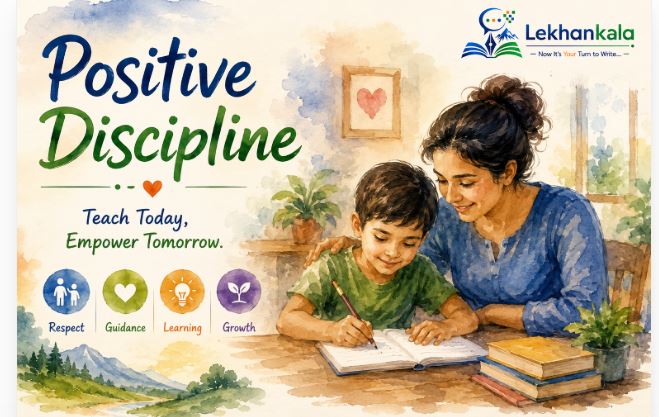
Positive discipline is a respectful, nurturing, and effective way to help children learn responsibility, self-control, empathy, and decision-making. Rather than focusing on punishment, it highlights guidance, understanding, and helping children grow from every experience.
What Is Positive Discipline?
Positive discipline is a parenting approach that encourages good behavior through respect, support, consistency, and clear direction. It helps children understand why rules matter, notice how their actions affect others, and gain the confidence to make wise choices on their own.
Positive discipline is not about letting children do whatever they want. Instead, it blends kindness with steady, consistent boundaries. It encourages cooperation rather than fear and promotes responsibility rather than blind obedience. The aim is not just to stop misbehavior, but to help children develop the skills they need to act responsibly throughout their lives.fetime.
Why Positive Discipline Matters
Children are always learning. Every experience, conversation, and interaction shapes the way they think, feel, and behave. When parents respond with patience and kind guidance, children soak up important life skills. But when they face anger or harsh punishment, they may become fearful, resentful, or unsure of themselves.
Positive discipline helps children:
* Develop self-discipline
* Understand responsibility
* Build emotional intelligence
* Improve decision-making skills
* Strengthen communication
* Increase self-confidence
* Learn sympathy and respect.
* Make thoughtful decisions
Instead of asking, “How should I punish my child?”, positive discipline encourages us to ask, “What can my child learn from this experience?”
Discipline Means Teaching
The word discipline comes from the Latin word disciplina, which means instruction, learning, or teaching.
Real discipline is about teaching, not punishing. When children make mistakes, it does not mean they are “bad.” Most of the time, they are still learning to handle emotions, solve problems, communicate, or make choices.
Positive discipline views mistakes as stepping stones for learning, not reasons for shame. Each mistake becomes a chance to grow.
The Principles of Positive Discipline
Respect the Child
Every child deserves to be treated with dignity. Speaking respectfully, listening with care, and honoring children’s feelings build trust and strengthen relationships.
Be Firm and Kind
Positive discipline blends warmth with clear expectations. Children need to know their parents care deeply, while also seeing that rules and healthy boundaries are consistent. Kindness without boundaries creates confusion.
Boundaries without kindness create fear.
Children need both.
Focus on Solutions
Instead of dwelling on mistakes, positive discipline helps children focus on finding solutions.
Ask questions such as:
* What happened?
* How did your actions affect others?
* What can you do differently next time?
* How can you make things right?
This practice nurtures critical thinking and an awareness of responsibility.
Encourage Instead of Criticize
Children thrive on encouragement, not criticism. Notice their effort, celebrate their progress, and spotlight positive behavior. Instead of saying,
“You never clean your room.”
Try, “I noticed you organized your desk today. That shows responsibility.” Encouragement sparks children’s desire to keep learning and growing.
Teach Problem-Solving
Children thrive when given chances to think for themselves.
Rather than fixing every problem for them, gently guide children as they find their own solutions.
This method builds confidence, independence, and stamina.
Positive Discipline vs. Punishment
Punishment frequently focuses on making children pay for their mistakes. Positive discipline, on the other hand, focuses on helping children learn.
Punishment Positive Discipline
Creates fear Builds understanding
Focuses on blame Focuses on learning
Encourages obedience Encourages responsibility
Damages trust Strengthens relationships
Controls behavior Teaches self-control
Children who understand the reasons behind rules are more likely to make wise choices in the future.
Practical Positive Discipline Strategies
Parents can use simple strategies every day:
* Stay calm before responding.
* Listen to your child’s perspective.
* Set clear and consistent expectations.
* Use natural and logical consequences.
* Offer choices whenever possible.
* Praise positive behavior.
* Model considerate communication.
* Solve problems together.
* Encourage responsibility.
* End every tough conversation with support and love.
Avoid These Common Mistakes
Even loving parents sometimes react emotionally.
Try to avoid:
* Shouting
* Physical punishment
* Threats
* Humiliation
* Comparing children
* Name-calling
* Public embarrassment
* Punishing without explanation
These deeds often chip away at confidence and trust, making it harder for real responsibility to take root.
Positive Discipline at Different Ages
Early Childhood (2–5 years)
Young children thrive on routines, repetition, patience, and kind guidance. Keep instructions simple and consistent.
School-Age Children (6–12 years)
At this stage, children begin to understand responsibility and what consequences mean. Involve them in solving problems and making decisions.
Teenagers
Teenagers long for respect, honest communication, and more independence.
Listen carefully.
Talk over expectations together.
Lead rather than control.
The Role of Parents
Children learn far more from what parents do than from what they say.
Parents who remain calm during conflict teach emotional self-regulation.
Parents who apologize teach humility.
Parents who show kindness teach compassion.
Parents who solve problems respectfully teach lifelong relationship skills.
The way you act becomes your child’s most powerful lesson.
Building Stronger Families Through Positive Discipline
Positive discipline is about more than just developing children’s behavior.
It strengthens the whole family.
Homes grow calmer.
Communication flourishes.
Conflicts turn into opportunities for learning.
Trust deepens.
Children become keen to cooperate when they feel respected and understood.
Conclusion
Positive discipline is one of the greatest gifts a parent can offer. It replaces fear with understanding, punishment with teaching, and conflict with connection. Rather than demanding obedience, it helps children build confidence, responsibility, empathy, and self-discipline for lasting success.
No parent gets it right every time, and no child behaves perfectly every day. Parenting is a path of learning together. Every conversation, challenge, and mistake is a chance to grow side by side.
When parents choose patience over anger, guidance instead of punishment, and encouragement over criticism, they create homes where children feel safe, respected, and inspired to become their best selves.
Positive discipline is not about raising obedient children. It is about encouraging thoughtful, responsible, compassionate, and resilient people who make good choices because they value themselves, respect others, and believe in their own abilities.
References
- UNICEF – Positive Parenting and Parenting Resources
- Parenting for Lifelong Health – Positive Parenting and Positive Discipline
- American Academy of Pediatrics (AAP) – HealthyChildren.org
- Harvard University – Center on the Developing Child
- World Health Organization (WHO) – Child Health and Parenting
