Lekhan Kala
 Aug 10, 2026
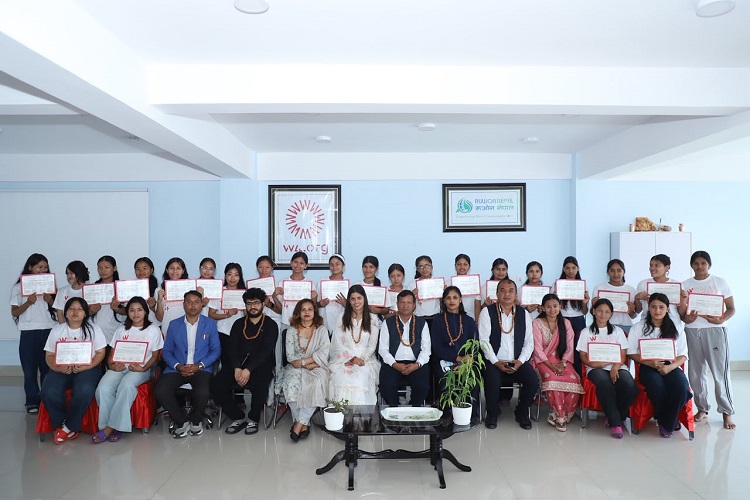
Kathmandu, Nepal — Young women in Kathmandu have completed three months of digital skills training through the W4–RUWON She Can Digital Program, advancing their digital skills, confidence, and access to education and employment.
Graduation ceremonies took place at the Kapan Training Center on July 22 and the Kalanki Training Center on July 27, bringing together graduates, trainers, program representatives, local officials, and community stakeholders to celebrate the participants’ achievements.
The Kapan ceremony marked the graduation of the program’s 22nd cohort, while the Kalanki ceremony celebrated its third cohort.
For graduates, the ceremonies signified more than completing a three-month course. They marked sustained learning, individual development, and the start of new opportunities in education, employment, and digital participation.
Building Digital Confidence
The She Can Digital Program equips young women with practical computer and digital skills to help them traverse a technology-driven world.
During the three-month course, participants learn computer applications, digital tools, online communication, and practical technology use. The training develops technical skills and builds confidence in using digital technologies independently.
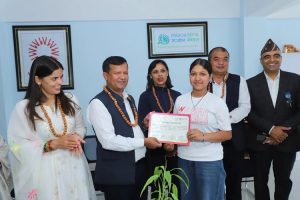
For many young women, learning to use computers, communicate online, and access digital information creates opportunities to further education, employment, and participation in the digital economy.
The certificates awarded recognized participants’ commitment and steadfastness. More importantly, graduation marked the transition from classroom learning to applying digital skills in education, work, and the community.
Two Centers, One Common Goal
The 22nd cohort’s graduation at Kapan Training Center reflects the program’s current expansion and devotion to providing young women with practical digital education.
At Kalanki, the third cohort’s graduation marked another milestone in expanding digital learning opportunities for young women in the area.
While the two centers are at different stages of their programs, both seek to help young women develop the abilities and confidence necessary to pursue educational, professional, and personal opportunities in a fast-evolving digital environment.
Graduates now face the challenge of turning their new knowledge into practical experience.
Beyond the Certificate
Digital lDigital literacy is increasingly essential for access to education, employment, information, communication, and public participation. For young women, digital skills provide a basis for further learning and economic opportunity; the impact of such programs goes beyond the number of certificates awarded.
For participants, gaining confidence, independence, and the ability to use technology without hesitation are just as important outcomes. The graduation ceremonies honored these achievements with trainers, staff, supporters, and contributors.
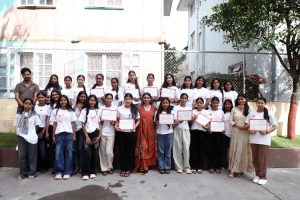
The ceremonies also highlighted a wider challenge facing communities. The ceremonies also highlighted a wider challenge: ensuring women and girls are not left behind as education, employment, and public life become more digital.
The program is supported by The Women’s Worldwide Web (W4) and implemented through Rural Women’s Network Nepal (RUWON).
The program has also received support from the Paint the Globe Foundation, The Fixers, and contributions from trainers.
Through these cooperative efforts, young women have gained opportunities to develop practical digital skills and build confidence in using technology.
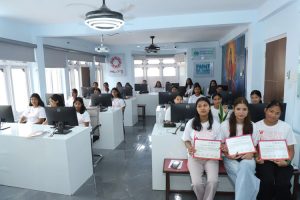
For July’s graduates, completing the training is a beginning, not an end. Their following steps may include further education, employment, supporting their families and communities, or new forms of digital participation.
Their experience shows how access to skills, education, and technology creates new opportunities for young women and supports a more inclusive digital future. Their path is about more than digital skills alone. It is also about developing opportunities for young women to build confidence, exercise increased independence, and participate more fully in an increasingly connected society.
Distinguished Guests Attend Graduation
Representatives from local government, the education sector, RUWON Nepal and partner organizations attended the graduation ceremonies.
Among those present were:
* Mr. Lalit Bikram Singh, Chief, Sports, Youth and Education Department, Budhanilkantha Municipality, who attended as Chief Guest.
* Ms. Goma Devi Bastola, President, RUWON Nepal and Chairperson of the Program.
* Mr. Dhruba Prasad Ghimire, Member, Education Board, Budhanilkantha Municipality and Chairperson, School Management Committee (SMC), Bal Uddhar School.
* Ms. Anita Khanal, Education Officer.
* Mr. Laxman Ghimire, Member, LekhanKala.
* Mr. Jaya Kumar Shrestha, Resource Person, Budhanilkantha Municipality.
* Ms. Saraswati Bhandari, Board Member, RUWON Nepal.
* Mr. Abishkar Ghimire, IT Trainer.
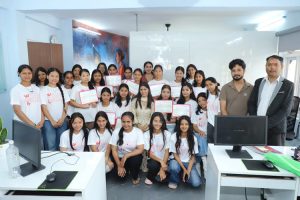
Their participation added significance to the ceremonies and encouraged graduates while they celebrated their achievements and looked ahead to new opportunities.
As graduates leave the training centers with new digital skills and greater confidence, their journey enters its next phase: applying these skills to pursue opportunities in a more digital world.
Other Related News